

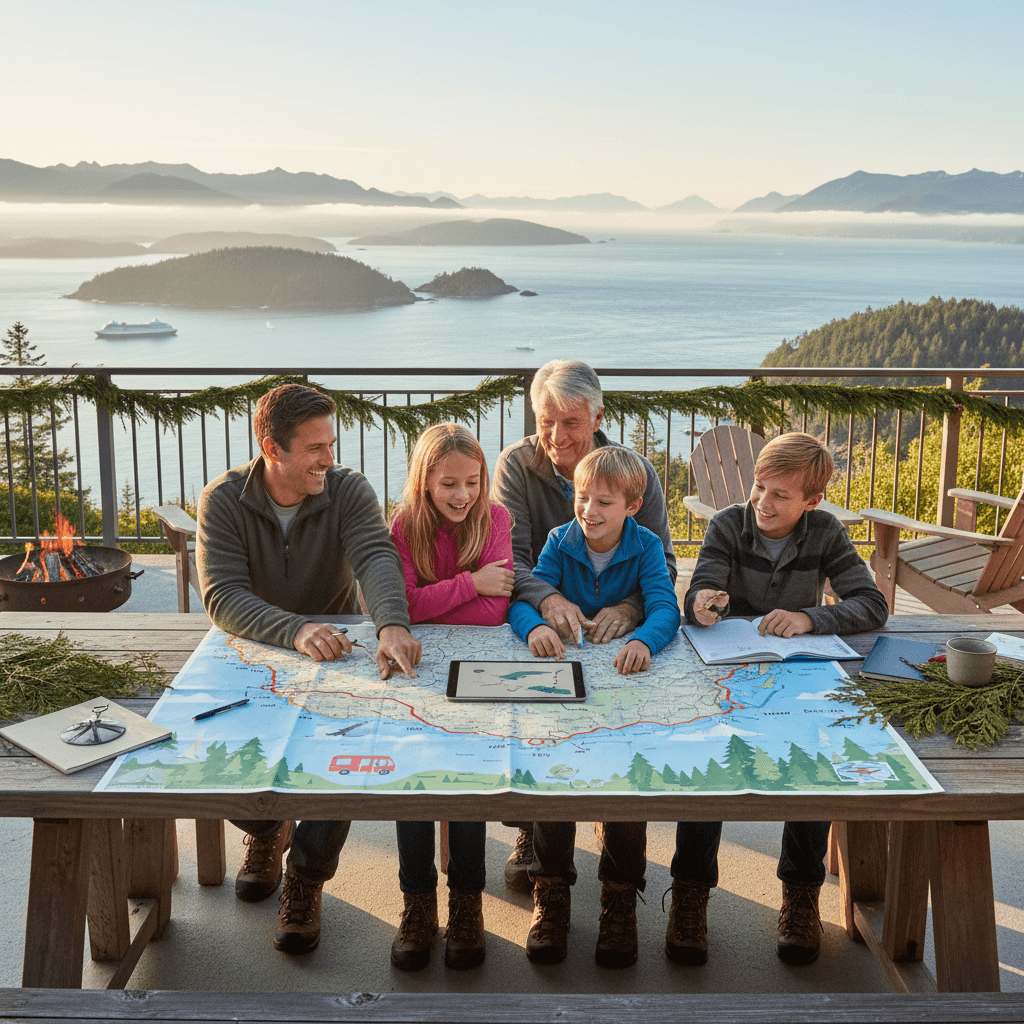
Planning a dream family trip along Canada’s Pacific Coast begins with a spark that gets everyone talking. Maybe the little ones hope to spot whales, the teens dream of catching waves, or you picture lazy mornings with coffee as the tides roll by. This place offers a blend of charming seaside towns, towering old-growth forests, peaceful island bays, and tons of outdoor adventures that fit all kinds of interests. With over 25 species of whales roaming the waters and surfing spots that challenge even the pros, this coast brings a world of excitement and calm all at once. Dive into this mix, and it’s easy to see why this spot makes memories that last a lifetime. Keep reading to uncover the secrets that turn a simple trip into an unforgettable journey.
This article lays out practical tips and specific examples so you can shape an itinerary that fits your family rhythm. Read on for timing suggestions, top stops, activity ideas for every age group, safety notes, packing lists, and a simple budget framework to keep planning straightforward and enjoyable.
Plan Your Dream Family Trip Along Canada’s Pacific Coast with timing and length in mind
Choosing when to travel will affect weather, crowds, and what activities are available. Summers deliver long daylight and warm weekends that are ideal for beaches and boat tours. Shoulder seasons bring fewer visitors and often lower prices, with spring offering blooming coastal meadows and fall providing clear air and good chances to spot migrating birds.
Think about how many days your family can realistically spend on the road. A compact itinerary that balances travel time and activity gives everyone a better time. For first timers a seven to ten day loop that includes a city stay and 2 to 3 days in a coastal town strikes a good balance. For slower travel plan two weeks to include ferry rides and quieter islands.
Top family friendly destinations on the Pacific Coast
Each stop brings different strengths. Below are family friendly highlights with quick notes on what makes them simple to enjoy with children.
- Vancouver Urban parks, an aquarium, and child friendly neighborhoods make this a great start. You can add short day trips to nearby beaches and mountains.
- Victoria on Vancouver Island Compact downtown, gentle harbor, and museums with hands on exhibits. Ferry trips add excitement for younger kids.
- Tofino and the west coast of Vancouver Island Surf lessons for older kids, tidepooling for little ones, and calm family beaches in sheltered coves.
- Gulf Islands Short ferry hops, quiet beaches, and bike friendly roads make these islands simple to explore at a relaxed pace.
- Haida Gwaii For families with more time this area offers rich cultural programs and wildlife viewing that teaches respect for remote coastal ecosystems.
Activities for each age group with examples
Planning activities by age keeps energy levels steady and avoids one size fits all days. Here are ideas that tend to work well.
Young children and toddlers
- Beach days with sheltered coves and gentle waves. Bring buckets, shovels, and a simple picnic.
- Short wildlife viewing trips where guides keep distances and use spotting scopes. Toddlers love binoculars and excited commentary.
- Interactive museums with play areas. Choose venues with flexible nap spaces and food options nearby.
Elementary aged children
- Tidepooling at low tide with a laminated ID sheet so kids can identify starfish and anemones.
- Easy kayaking or stand up paddleboarding lessons in protected bays. Rentals often provide lifejackets sized for children.
- Forest walks with scavenger hunt lists for leaves, cones, and tracks to keep interest high.
Practical travel tips for comfort and safety on the coast
Coastal trips bring special considerations. A few practical moves make days smoother.
- Reserve ferries ahead of time during peak travel windows. Vehicle space can fill up quickly on weekend routes.
- Pack layers. Coastal weather shifts from morning fog to warm sun, and evenings can be cool even in summer.
- Know tide schedules before planning shoreline activities. Low tide opens tidepools and mudflats that are fine with kids when supervised.
- Keep wildlife at a respectful distance. Use binoculars and follow local guidelines to avoid disturbing animals.
- Bring a small first aid kit, reef friendly sunscreen, and hypoallergenic insect repellent for forested picnic areas.
Where to stay and how to choose family friendly lodging
Accommodation choices affect daily rhythm more than most people expect. Here are common options and what families like about them.
- Hotels with suites Good for short stays when you want hotel services and a kitchenette. Look for indoor pools if weather is uncertain.
- Self contained rentals Offer kitchen space and separate sleeping areas so the family can keep normal routines.
- Cabins and cottages Great for quiet evenings and easy access to outdoor areas. Check for child safe features like stair gates if needed.
- Campgrounds Provide a nature first experience. Choose sites with toilets and showers for a balance of outdoor time and comfort.
Budgeting and a packing checklist that reduces stress
Estimate daily costs to keep financial surprises minimal. Plan for the major line items and allow a buffer for experiences that will resonate with your family.
- Major costs include transportation, lodging, food, and activity fees. In coastal towns expect activity fees for boat trips and equipment rentals.
- Set aside a contingency amount for weather related changes and last minute ferry changes.
- To save money cook simple meals in your rental or pack lunches for day trips. Local markets supply fresh ingredients and are a good place to teach kids about regional foods.
A sample packing checklist
- Layered clothing for everyone and waterproof outerwear
- Sun hats and reef friendly sunscreen
- Comfortable walking shoes and water shoes for beaches
- Basic first aid supplies and any prescription medications
- Snacks, refillable water bottles, and small games for downtime
- Charging cables, a portable battery, and a compact camera or phone for family photos
How to plan an itinerary that keeps travel time minimal
Long drives with small children can wear down patience quickly. A few strategies reduce transit time and keep days fun.
- Use hub based travel where you set up in one or two locations and take day trips from each hub.
- Allow for morning buffer time so activities start after breakfast and a short play period.
- Mix active days with quiet days so everyone gets time to recharge. For example follow a whale watching day with a relaxed beach or museum day.
- Keep daily driving under two hours when possible. Short ferry rides count as a rest break and add variety.
Sample three day mini itinerary for families with limited time
This compact plan focuses on minimizing packing changes and offering a taste of the coast.
- Day one Arrive in the city, visit a large park and the aquarium or a hands on museum in the afternoon
- Day two Take an early ferry to a nearby island, explore beaches and a short forest walk, stay overnight in a cottage or family room
- Day three Try a morning wildlife or boat tour, return by early afternoon and enjoy a final leisurely meal before departure
Find printable checklists and route suggestions when you need a ready made plan. For a tested itinerary with packing lists and kid friendly alternatives use the single resource I recommend here get the guide which includes step by step routes and sample daily schedules.
Putting together a family trip along Canada s Pacific coast is about balancing activity with downtime. With a clear idea of timing and a short list of must do experiences you can shape an itinerary that fits how your family likes to travel. Keep transport legs short, choose lodging that supports rest, and pick a few high payoff experiences that will create lasting family memories.
When you are ready to start booking think about reserving ferries and popular activities early and keeping a flexible day for weather changes. Record simple rules for each day like start times, meeting points, and a backup indoor option. Include children in planning so they feel ownership of the trip and excitement builds before departure.
In summary this coast offers diverse seaside towns, island escapes, and outdoor activities that reward families who plan with small details in mind. Use the timing tips to choose the best travel window, pick one or two hubs to reduce packing and moving, and add two or three special activities that match your family s interests. Prepare essentials for safety and comfort, and keep the rhythm of travel predictable so children know what to expect. Start with a small list of non negotiables and leave space each day for unplanned discoveries that become the best stories. Ready to take the next step make a short plan today and book one or two key items to lock in space and give your family something to look forward to.