

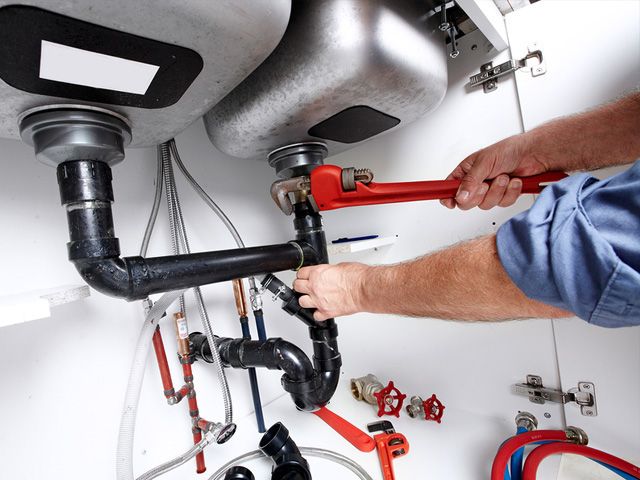
Starting a plumbing business can bring steady cash and the freedom of calling all the shots. Being handy with pipes or wanting to run your own show means diving into a world full of chances and a few curveballs. Handling customer calls, buying gear, and beating the competition takes grit, but the payoffs often make it worth the hustle. The plumbing field grows faster than most jobs, adding about 16,000 new gigs each year—meaning work waits for those who play it smart. For anyone pumped to learn the art of balancing tools, schedules, and customer trust, owning a plumbing business can change the game completely. Stick around to find out what makes this path tough but seriously rewarding.
The Pros of Starting Your Own Plumbing Business
1. High Demand for Plumbing Services
Plumbing is an essential service that homeowners, businesses, and industries require regularly. From fixing leaks to installing piping systems, the demand for skilled plumbers remains constant. This ensures a steady stream of job opportunities, making the business a viable long-term investment.
2. Lucrative Income Potential
One of the biggest advantages of running a plumbing business is the earning potential. Depending on location, experience, and business structure, plumbers can make a significant income. As a business owner, you have the freedom to set your rates, take on high-paying jobs, and expand your services to increase revenue.
3. Independence and Flexibility
Being your own boss means you have full control over your work schedule, clients, and job preferences. Unlike working for an employer, you can decide when and where to work, allowing for a better work-life balance. This flexibility also enables you to scale your business at your own pace.
4. Opportunity for Business Growth
A plumbing business has great potential for growth. Starting as a one-person operation, you can eventually hire employees, expand into new service areas, and even offer specialized services such as commercial plumbing, emergency repairs, or eco-friendly plumbing solutions. For more insights into plumbing services and industry trends, you can visit hi-techplumbingandair.com/plumbing-lake-worth/.
5. Job Security
Plumbing is a trade that is unlikely to be replaced by automation or technology. As long as homes and buildings have water and drainage systems, plumbing services will always be required. This ensures job security and a stable career path.
6. Tax Benefits and Business Deductions
As a business owner, you may qualify for tax deductions that can lower your taxable income. Expenses such as vehicle costs, tools, insurance, marketing, and even home office space can often be written off, helping you save money.
7. Satisfaction of Solving Problems
Plumbers play a crucial role in maintaining the health and safety of communities. There is great satisfaction in troubleshooting plumbing issues and providing solutions that improve the quality of life for customers. This sense of accomplishment makes the work fulfilling and rewarding.

The Cons of Starting Your Own Plumbing Business
1. High Startup Costs
Launching a plumbing business requires an initial investment in tools, equipment, a work vehicle, licensing, insurance, and marketing. Depending on the scale of your business, these costs can be significant. Securing financing or saving up beforehand is necessary to cover these expenses.
2. Physical Demands and Health Risks
Plumbing is a physically demanding job that involves lifting heavy objects, working in tight spaces, and exposure to hazardous materials. Over time, repetitive movements and strenuous labor can take a toll on your body, leading to injuries or health issues.
3. Licensing and Certification Requirements
In most regions, plumbers are required to obtain specific licenses and certifications to operate legally. This process can be time-consuming and may require apprenticeships, exams, and ongoing education to stay updated with industry regulations.
4. Competition and Market Saturation
The plumbing industry can be highly competitive, especially in densely populated areas. Competing against established companies and attracting customers requires effective marketing, reputation building, and exceptional customer service.
5. Inconsistent Workload
While plumbing services are always in demand, the volume of work can fluctuate. Seasonal slowdowns, economic downturns, and unpredictable emergency calls can impact income stability. Business owners must plan accordingly and manage finances to navigate lean periods.
6. Managing Business Operations
Running a business involves more than just plumbing work. Administrative tasks such as bookkeeping, invoicing, customer service, marketing, and compliance with regulations can be overwhelming, especially for those with no prior business experience. Hiring help or using business management software can ease this burden.
7. Liability and Risk Management
Plumbing work carries risks, including property damage, injuries, and customer disputes. Having proper insurance, warranties, and legal protection is crucial to safeguard your business from potential lawsuits and financial losses.
Conclusion: Is Starting a Plumbing Business Right for You?
Starting your own plumbing business comes with significant advantages, such as financial independence, job security, and growth potential. However, it also involves challenges like high startup costs, competition, and the need for business management skills.
If you are passionate about plumbing, willing to invest in your skills and business development, and prepared to navigate the ups and downs of entrepreneurship, then owning a plumbing business can be a highly rewarding venture. By planning strategically, staying committed to quality service, and continuously improving your operations, you can build a successful and profitable plumbing business for years to come.